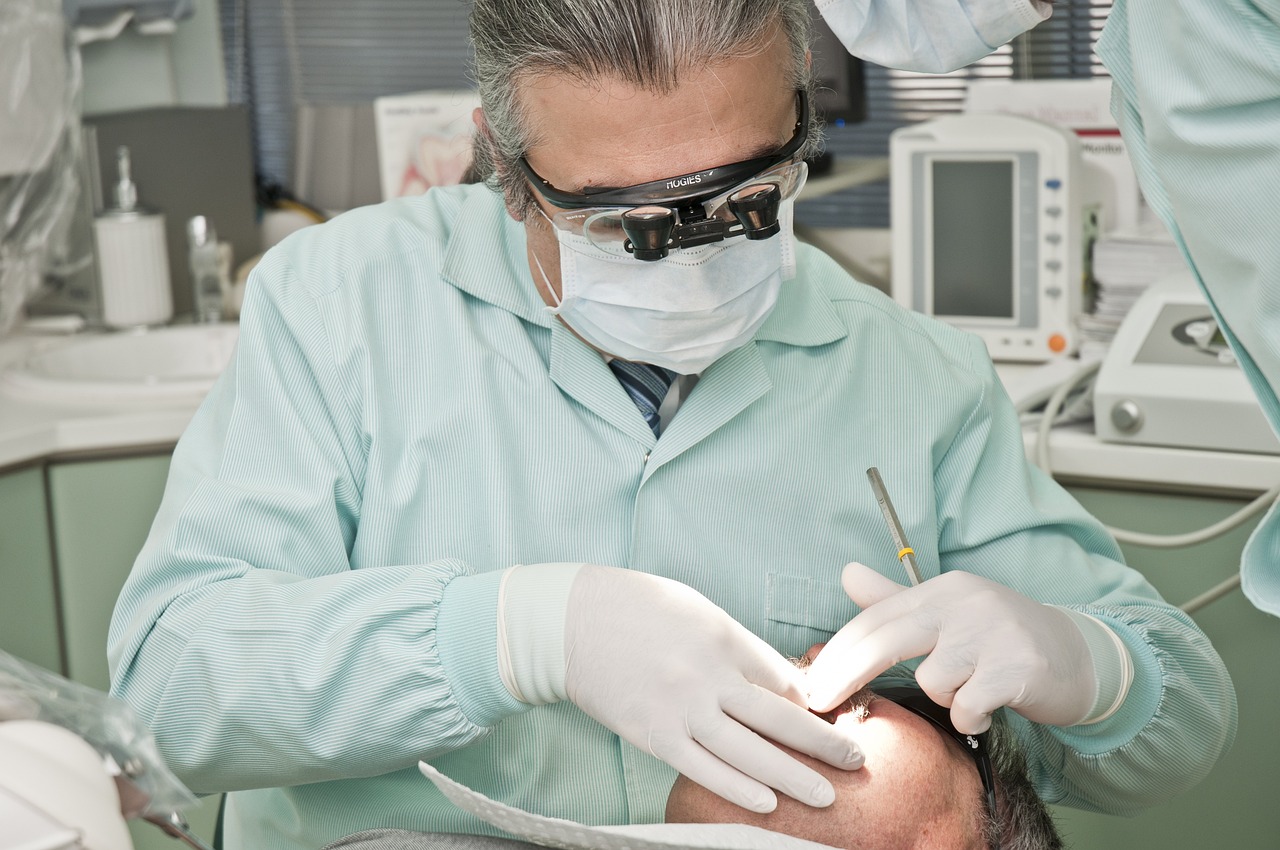
Keeping up with regular dental check-ups is essential for maintaining good oral health. However, there are times when certain signs and symptoms indicate that a visit to the dentist is necessary sooner rather than later. Ignoring these signs can lead to more serious dental issues down the line.
It’s easy to overlook minor toothaches or occasional bad breath, but when these symptoms become persistent, it’s time to seek professional help. Visiting the dentist at the first sign of trouble can help prevent further damage and save you from more invasive treatments in the future.
Sudden Tooth Pain That Wont Go Away
Experiencing sudden and persistent tooth pain can be a distressing issue that affects your daily life. The discomfort may range from a dull ache to sharp, throbbing pain that interferes with your ability to eat and speak. Ignoring this persistent toothache can lead to worsening oral health problems over time.
When tooth pain doesn’t subside on its own, it could indicate an underlying issue such as a cavity, infection, or even a dental abscess. Seeking prompt dental treatment is crucial to address the root cause of the pain and prevent further complications. Delaying a visit to the dentist in Tijuana may exacerbate the discomfort and require more extensive treatments.
It’s essential to remember that tooth pain is not a normal sensation and should not be ignored. The longer you wait to address the source of the pain, the more severe the consequences may be for your oral health. Schedule an appointment with your dentist as soon as possible to receive a proper diagnosis and appropriate treatment.
Ignoring persistent tooth pain can lead to more serious issues such as tooth decay, gum disease, or even tooth loss. Early intervention by a dentist can help alleviate the pain and save your natural tooth structure. Don’t let untreated tooth pain jeopardize your dental health.
Persistent Bad Breath Despite Regular Brushing
Having bad breath on occasion is normal, but persistent bad breath even after regular brushing and flossing could be a sign of an underlying dental issue.
Despite maintaining good oral hygiene practices, if your bad breath just won’t go away, it may be caused by bacteria trapped in hard-to-reach places in your mouth.
Regular dental check-ups are crucial to detect any dental problems early on and address issues like chronic bad breath before they escalate.
If you find yourself facing persistent bad breath despite your efforts to maintain oral hygiene, it’s time to schedule a visit to your dentist for a thorough examination.
A dentist can help determine the root cause of your persistent bad breath and provide appropriate treatment to address the issue effectively.
Ignoring persistent bad breath could potentially lead to more serious dental problems in the future, so don’t delay seeking professional dental care if you are experiencing this issue.
By addressing persistent bad breath with the help of your dentist, you can improve your oral health and regain confidence in your smile.
Scheduling regular dental check-ups and seeking prompt treatment for any oral health concerns can help prevent more significant issues down the line.
Swollen Gums and Bleeding While Brushing
Swollen gums can be a sign of underlying dental issues that need attention. If you notice your gums looking puffy or feeling tender, it’s essential to schedule a dentist visit promptly. Ignoring swollen gums can lead to more severe problems down the line.
Another common issue associated with swollen gums is bleeding during brushing or flossing. If you regularly see blood in the sink after oral hygiene routines, this could indicate gum disease or other dental concerns. Addressing these symptoms early is crucial for maintaining oral health.
It’s not normal for gums to bleed, even if you’re brushing vigorously. Bleeding gums may be a sign of gingivitis, an early stage of gum disease. Seeking professional dental care can help determine the cause of the bleeding and prevent it from worsening.
Aside from discomfort and potential embarrassment, swollen gums and bleeding while brushing can affect your overall oral health. Gum issues left untreated can progress to more severe conditions, leading to tooth loss and other complications. Regular dental check-ups are vital in addressing these problems.
Don’t ignore the signs of swollen gums and bleeding during oral care routines. Visiting a dentist as soon as possible can help diagnose any underlying issues causing these symptoms. By taking proactive steps to address these concerns, you can maintain a healthy smile and prevent future dental problems.
Conclusion: Don’t Wait, Schedule Your Dentist Appointment Today
Ignoring dental issues can lead to more significant problems down the line. Your oral health is essential in maintaining overall well-being.
By seeking timely dental care, you can prevent the progression of potential concerns and save yourself from unnecessary discomfort and expenses.
That prevention is always better than cure when it comes to your teeth and gums.
So, don’t hesitate to make that call and set up an appointment with your dentist as soon as possible to address any potential issues before they escalate.
Loose or Missing Teeth Without Any Trauma
Noticing loose or missing teeth in your mouth can be a cause for concern, especially if there hasn’t been any recent trauma to your mouth. It’s essential to pay close attention to changes in your teeth as they can indicate underlying dental issues.
If you suddenly discover a tooth is loose or even falls out without any clear reason, it’s crucial to seek the advice of a dentist promptly. Ignoring this sign could lead to further tooth loss or potential complications down the line.
Loose teeth can be a symptom of various dental problems, including gum disease, tooth decay, or even grinding your teeth at night. A dental professional will be able to identify the root cause and recommend the appropriate treatment to restore your oral health.
Even if a tooth is missing without any pain, it’s still important to address the issue promptly. A gap in your smile can affect your confidence and also impact your ability to chew and speak properly.
Visiting a dentist as soon as you notice loose or missing teeth is crucial for maintaining good oral health. Early intervention can prevent further dental issues and ensure that your smile remains healthy and intact for years to come.
Difficulty Eating or Speaking Due to Oral Discomfort
Oral discomfort can significantly impact your daily life, making simple tasks like eating and speaking challenging. When you experience difficulties while chewing or swallowing, it may indicate underlying oral issues that require attention.
Difficulty in speaking can also arise from oral discomfort, affecting your confidence and communication. If you find yourself struggling to articulate words or sounds due to oral pain or irritation, it could be a sign that you need to see a dentist.
Persistent discomfort in your mouth can make it hard to enjoy meals, leading to changes in your eating habits and nutrition. Ignoring oral discomfort may worsen the condition and make it even more challenging to eat or speak comfortably.
Feeling pain or sensitivity in your mouth while eating or speaking should not be ignored. It is essential to address these issues promptly to prevent further complications that could impact your overall oral health and well-being.
If you are experiencing difficulty eating or speaking due to oral discomfort, don’t hesitate to schedule a visit with your dentist. Early intervention can help identify and address any underlying issues, restoring your ability to eat and speak without discomfort.
Conclusion: Take Care of Your Oral Health Today
Visiting the dentist regularly is crucial for maintaining good oral health. Ignoring warning signs such as persistent bad breath, swollen gums, or difficulty eating can lead to more serious issues down the line. By addressing any dental concerns promptly, you can prevent potential pain and discomfort in the future.
That prevention is the key to a healthy smile. Don’t wait until the pain becomes unbearable or a tooth falls out unexpectedly. Schedule your dentist appointment today to ensure that your teeth and gums receive the care they need to stay healthy and strong.