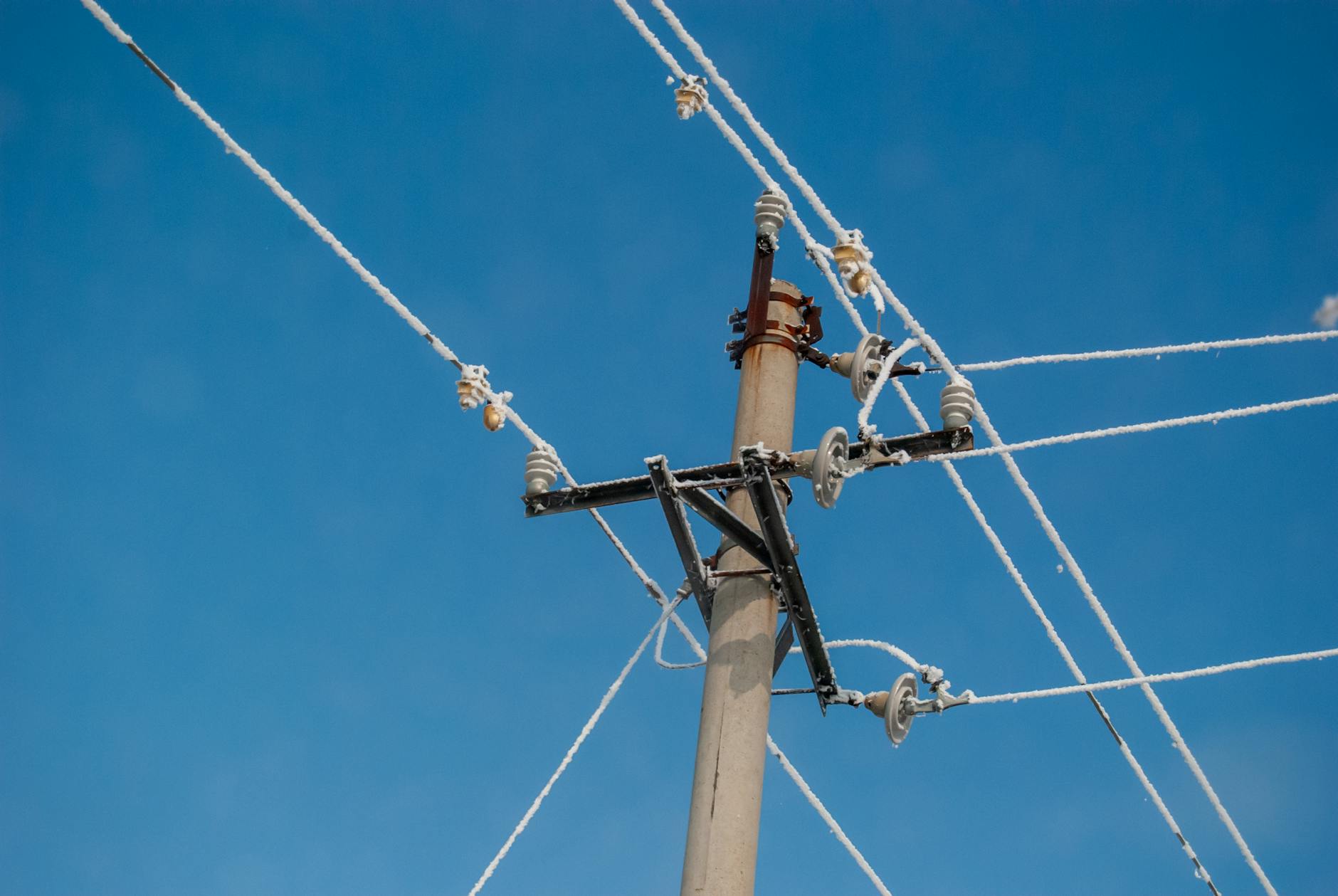
The winter of 2026 is proving to be one of the most challenging seasons for the regional electric grid stretching across Pennsylvania and 12 other states. As temperatures plummet into an unprecedented cold snap, the PJM Interconnection, which manages the flow of electricity for 67 million people in the Mid-Atlantic region, is undertaking significant measures to maintain stability and prevent blackouts.
A Steady Performance Despite Predictions
On Tuesday morning, the PJM announced that the anticipated peak power demand of 147,200 megawatts (MW) did not materialize as expected. Instead, the actual demand was approximately 137,200 MW, about 10,000 MW lower than projected. This unexpected drop in demand can largely be attributed to milder temperatures and continued closures of schools and businesses during this frigid spell.
"Despite the forecasts, we've managed to avoid the worst-case scenario so far," said a PJM spokesperson. "However, we are still on alert as demand is projected to soar throughout the week."
Historic Demand Forecasts
The PJM has indicated that the coming days could see demand rise above 143,000 MW—an all-time winter peak load record that was set just last January. For the first time, it has warned that consumers may need to brace for extended periods of high demand, with projections suggesting that the load could exceed 130,000 MW for seven consecutive days—a winter streak unlike anything PJM has previously experienced.
To meet this potential demand, PJM has activated several contingency measures. This includes calling upon power plants to delay maintenance shutdowns and urging facilities to ramp up production.
Federal Support During the Emergency
In response to the grid’s capacity challenges, the U.S. Department of Energy has granted PJM special orders allowing power stations to bypass standard permit restrictions and operate at full capacity through Saturday. This enables generators that typically face operational constraints—primarily those fueled by natural gas and diesel—to contribute more to the grid.
PJM has published an updated list of eligible power plants that can be activated to provide additional electricity. Twelve of which are located in Pennsylvania and capable of operating under these relaxed regulations.
Potential Risks and Backup Strategies
In its request to the Department of Energy, PJM cautioned that without these emergency measures, hospitals, military bases, and other critical facilities could face severe power shortages. Moreover, PJM is identifying large power-consuming facilities, particularly data centers, to operate on backup generators if necessary to preserve residential service. This streamlined process is vital to maintain the integrity of the grid during this ongoing cold weather emergency.
As of Tuesday afternoon, power outages in Pennsylvania remained minimal, with fewer than 300 customers reported without service. However, nearby states like Kentucky and West Virginia experienced more significant disruptions.
Community Faces the Cold
As Pittsburgh grapples with one of its harshest winters in years, residents are adjusting to the extreme conditions. Snow removal crews have been mobilized and local churches, such as the Elfinwild Presbyterian Church in Shaler, are adapting their services to ensure accessibility for worshippers despite the weather challenges.
Meanwhile, local individuals are coming together to assist one another, engaging in shared efforts to shovel snow and clear pathways. This communal response highlights the resilience of Pittsburgh's residents amid harsh winter weather.
Conclusion
With the PJM Interconnection actively working to ensure reliability, the winter of 2026 is set to test both the infrastructure of the electric grid and the fortitude of the community. As forecasts continue to indicate fluctuating temperatures and potential spike demands, vigilance remains key. Residents are encouraged to prepare for the long haul as this unprecedented cold snap keeps its grip on the region.

