Protests Erupt Over Increasing Federal Immigration Enforcement in Local Communities
As the cold winds swept through the streets of Pittsburgh last week, a different kind of storm was brewing at the intersection of local law enforcement and federal immigration efforts. Amid demonstrations against U.S. Immigration and Customs Enforcement (ICE) policies following police shootings in Minneapolis, the dynamics of policing in a city grappling with questions of collaboration and community trust have come to the forefront.
Protesters gathered outside the ICE field office in South Side and at a local Target store on East Liberty's main street to voice their opposition against the agency's actions. This comes as many fear the repercussions of heightened enforcement tactics echoing the tragic events that shocked the nation just weeks prior.
Increasing ICE Activity Amid Community Concerns
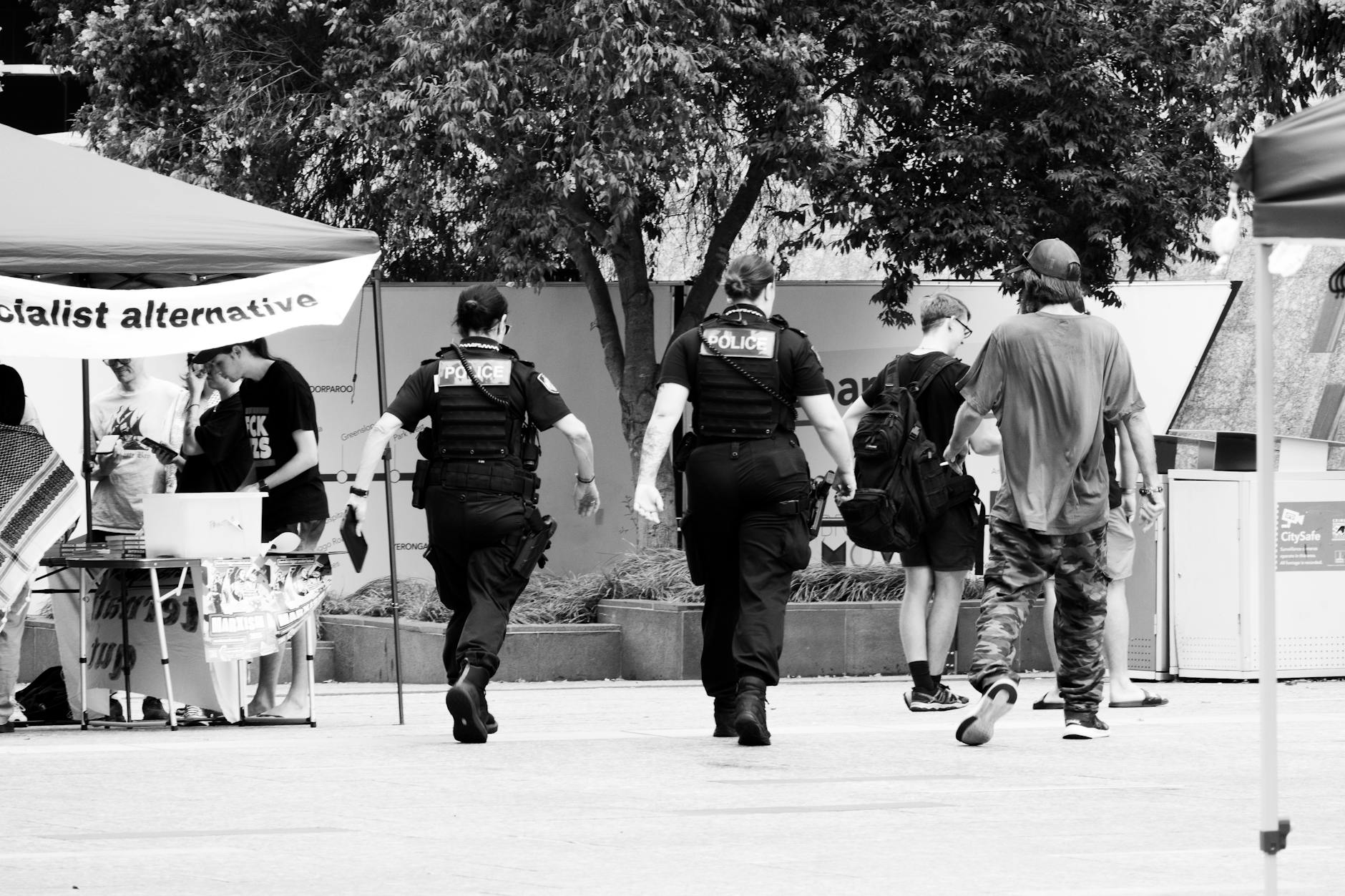
The protests in Pittsburgh were peaceful, yet carried a heavy tension reflective of the growing anxiety surrounding ICE operations. Local police were present, effectively managing the crowd while clearly aligning themselves with the demonstrators' right to protest. Acting Police Chief Jason Lando expressed pride in how officers handled these events, establishing a mindset that aimed to protect demonstrators rather than confront them.
“Our priority is to ensure safety for everyone involved,” Chief Lando stated, indicative of a department navigating the complexities of civil rights and law enforcement duties during a national crisis.
Lando underscored that the Pittsburgh police would not engage with ICE directly unless summoned in emergencies, reiterating, “The only time that Pittsburgh police would ever go to an ICE-related scene is if someone’s yelling for us in an emergency.”
In a particularly stark statement, Chief Lando articulated his apprehension about a potential escalation in ICE activity: “The last thing I want to see is 1,000 ICE agents descend upon Pittsburgh.”
The Community's Response to Federal Tactics
Across the city, sentiments against ICE have been intensifying, with local leadership taking proactive steps to ensure that the police department remains distanced from immigration enforcement. A key concern voiced by activists and residents alike is the potential for a breakdown in trust between communities—particularly with immigrant populations—and local law enforcement.
Coraopolis Borough Council notably terminated its partnership with ICE earlier this month after vocal opposition from constituents, a move reflecting a broader pushback against perceived overreach by federal authorities. Chief Lando reinforced this sentiment, sharing that any collaboration with ICE would irreparably damage the hard-earned trust between police and community members.
“I don’t ever want to hear about a situation where someone didn’t call for help because they were so worried that the first thing Pittsburgh police were going to ask when they got there was immigration status,” he said.
Navigating a Complex Patchwork of Local and Federal Dynamics
Despite the pushback from some local agencies, many across Pennsylvania are aligning with ICE through the 287(g) program, which enables local police to act as extensions of federal immigration enforcement. This has led to significant unease regarding local interactions and community safety perceptions.
While Pittsburgh and the Allegheny County Sheriff’s Office have opted out of this collaboration, state police documented their policy against asking about a person's immigration status, aiming to further solidify community relations.
However, with the federal government actively courting local departments to sign agreements for ICE collaborations, tensions remain palpable. The Department of Homeland Security is reportedly incentivizing participation with financial support for equipment and training, making the decision to refuse harder for budget-strapped agencies.
New Legislation and Calls for Reformation
The growing backlash has spurred legislative action aimed at curbing ICE’s influence on local policing. Recently, Allegheny County proposed a bill that would prohibit county-level cooperation with immigration enforcement authorities—a significant shift towards solidifying local autonomy in the face of federal pressure. Similarly, Pittsburgh City Council has called upon U.S. Senators to reconsider funding allocations for ICE operations.
As the community grapples with the potential ramifications of impending legislation, school-aged children, parents, and service users await assurances that safety and civil liberties will be upheld in a time of national discord.
Conclusion: The Path Forward
With communities uneasy over the current state of ICE operations and their implications for public safety and local trust, the response from Pittsburgh's leaders indicates a pivot towards greater autonomy from federal immigration enforcement.
In an era where law enforcement agencies are often in the spotlight, how authorities manage relationships and transparency with communities will play a crucial role in shaping the future of policing in Pittsburgh. The recent protests, combined with a push for local legislation, highlight a community determined to assert its needs and values amid the charged atmosphere surrounding immigration.
As the situation continues to unfold, one thing remains clear: the dialogues surrounding ICE, policing, and community trust are far from over, demanding sustained engagement, collaboration, and the search for justice.
For ongoing coverage and updates about local law enforcement activities and immigration policies, visit the Pittsburgh Post-Gazette.

