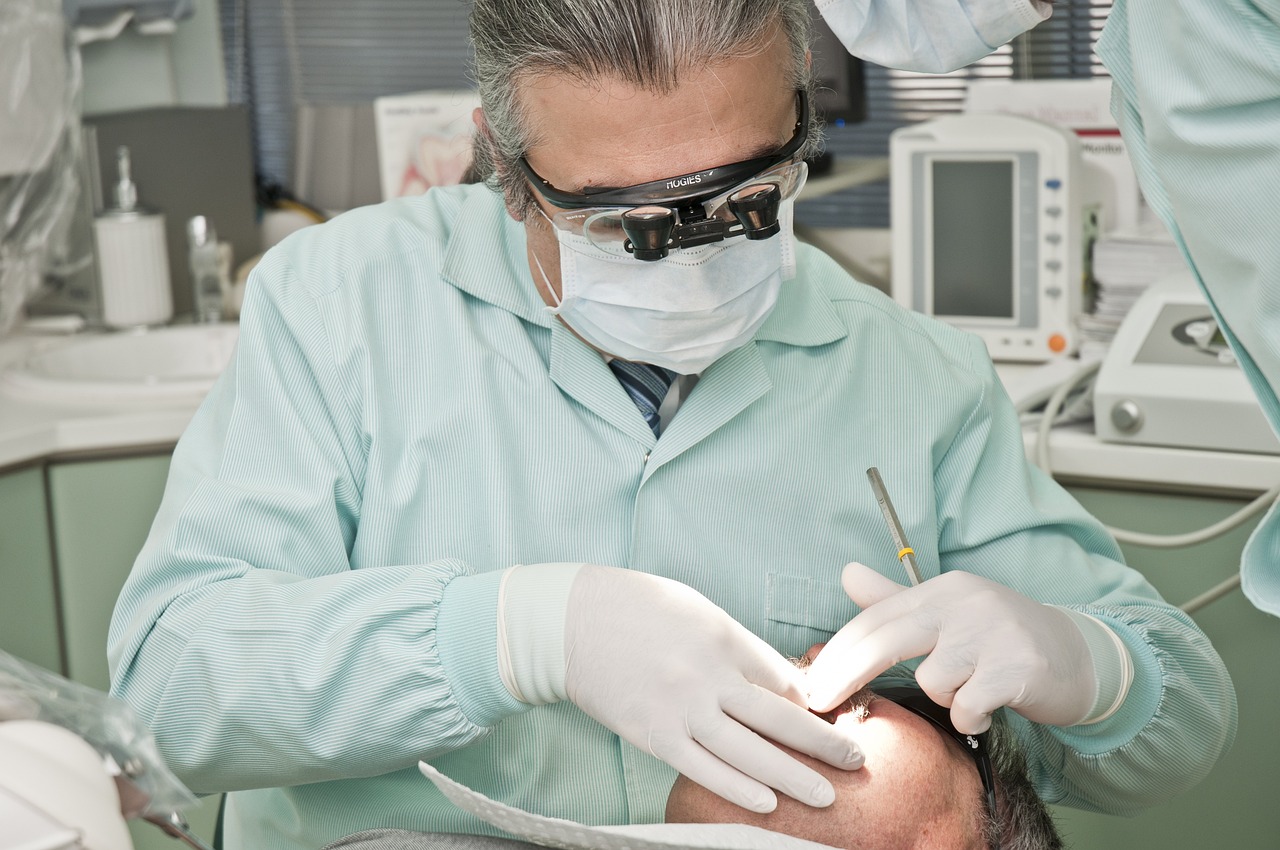
When it comes to maintaining good oral health, regular dental check-ups play a crucial role. These routine visits to the dentist not only help keep your teeth and gums in top condition but also contribute to your overall wellbeing. Many people underestimate the importance of these check-ups and only seek dental help when they experience pain or other noticeable issues. However, preventive dental care is key to avoiding major dental problems in the future.
Dental check-ups serve various purposes, including preventive care and early detection of oral issues. During these appointments, your dentist thoroughly examines your teeth, gums, and mouth, looking for any signs of decay, cavities, gum disease, or oral cancer. They also perform professional cleaning, removing plaque and tartar that regular brushing and flossing may miss. Through these check-ups, your dentist can identify and address minor concerns before they become more serious, saving you from potential pain, expensive treatments, and more extensive dental work.
Regular dental check-ups are not limited to just oral health but are also linked to your overall health. Research has shown that poor oral health can contribute to various systemic conditions, such as heart disease, diabetes, respiratory infections, and even Alzheimer’s disease. By maintaining good oral hygiene and attending regular check-ups, you lower the risk of developing such health issues and improve your overall quality of life.
Ensuring your dental restorations are in good shape, monitoring and treating gum disease, and receiving personalized oral hygiene tips are some other key benefits that regular dental check-ups offer. These visits also provide an opportunity for you to ask questions, express any concerns, and receive expert advice tailored to your specific oral health needs. Ultimately, investing time in regular dental check-ups sets the stage for a lifetime of healthy teeth, a confident smile, and optimal oral and overall health.
Preventive Care: How Regular Check-ups Help Maintain Oral Health
Regular dental check-ups are essential for maintaining optimal oral health. These preventative examinations help identify and address potential issues before they become more serious and costly to treat. By scheduling regular check-ups with your dentist, you are taking proactive steps towards preventing dental problems.
During a routine check-up, your dentist will thoroughly examine your teeth, gums, and mouth. They will assess the cleanliness of your teeth and the health of your gums. This examination allows the dentist to detect any signs of tooth decay, gum disease, or other oral health concerns.
One of the key aspects of a dental check-up is the professional cleaning, also known as dental prophylaxis. This process involves removing plaque and tartar buildup that cannot be easily removed through regular brushing and flossing. The cleaning also includes polishing the teeth to remove surface stains, resulting in a brighter smile.
In addition to the physical exam and cleaning, regular check-ups provide an opportunity to discuss any concerns or questions you may have about your oral health. Your dentist can offer personalized advice on proper brushing and flossing techniques, as well as recommend any necessary changes to your oral hygiene routine.
Regular dental check-ups play a crucial role in preventing dental issues before they worsen. By identifying potential problems early on, your dentist can recommend appropriate treatment options to address the issue promptly and prevent further damage. This can save you from experiencing pain, discomfort, and potentially costly dental procedures in the future.
Maintaining regular check-ups allows dentists to track changes in your oral health over time. By examining your mouth on a recurring basis, they can detect any abnormalities or changes that may require further investigation. This includes identifying signs of oral cancer, which can be more effectively treated when detected early.
Preventive care through regular dental check-ups is a fundamental part of maintaining optimal oral health. By investing in preventative measures, you can minimize the risk of developing dental issues and enjoy a healthy and beautiful smile for years to come.
The Basics: Understanding the Purpose of Dental Check-ups
Regular dental check-ups play a crucial role in maintaining good oral health. These routine visits to your dentist are not just about cleaning your teeth – they serve a much larger purpose. By scheduling and attending these check-ups, you are taking a proactive approach in caring for your teeth and overall well-being.
During a dental check-up, your dentist will thoroughly examine your mouth, teeth, and gums. This comprehensive assessment allows them to identify any potential oral health issues, such as tooth decay, gum disease, or even oral cancer. Early detection is key in preventing these conditions from worsening and causing lasting damage.
Another important aspect of dental check-ups is the professional cleaning that takes place. Even with consistent at-home oral hygiene habits, plaque and tartar can build up over time. Your dentist will use specialized tools to carefully remove these deposits, ensuring that your teeth remain clean and free from harmful bacteria.
Besides maintaining a healthy smile, regular dental check-ups also contribute to your overall health. Recent research has shown a strong link between oral health and systemic diseases, such as heart disease, diabetes, and respiratory issues. By keeping your oral health in check, you are potentially reducing the risk of developing or worsening these conditions.
Additionally, dental check-ups are an opportunity for your dentist to assess the condition of any existing dental restorations you may have, such as fillings, crowns, or implants. This ensures their longevity and functionality, preventing any potential complications that may arise if these restorations were left unattended.
Beyond the physical aspects, these check-ups also provide invaluable guidance on oral care. Your dentist can offer personalized advice and tips on maintaining optimum oral hygiene, including proper brushing and flossing techniques, suitable oral care products, and potential lifestyle changes to improve your dental health.
Regular dental check-ups are an essential part of your oral health care routine. They provide a comprehensive examination, professional cleaning, and the opportunity for early detection of potential dental issues. Moreover, these check-ups contribute to your overall health and provide valuable guidance for maintaining a healthy smile. By prioritizing these appointments, you are taking proactive steps towards a lifetime of good oral health.
Early Detection: Spotting Dental Issues Before They Worsen
Regular dental check-ups play a crucial role in detecting dental issues at their early stages, allowing for timely intervention and prevention of further complications. During these check-ups, dentists thoroughly examine your teeth, gums, and oral tissues to identify any signs of problems that may not be noticeable to the untrained eye.
One of the primary benefits of early detection is the ability to address minor issues before they progress into more severe conditions. Whether it’s a small cavity, gum disease, or a cracked tooth, catching these problems early on significantly increases the chances of successful treatment and restoration.
Dental check-ups enable dentists to conduct thorough screenings for various oral conditions. This includes checking for signs of oral cancer, which, if diagnosed early, can significantly improve prognosis and increase the chances of successful treatment. Dentists in Tijuana are specially trained to recognize any suspicious signs or symptoms that may warrant further investigation.
Not only can regular check-ups help identify existing dental issues, but they also serve as an important preventive measure. Dentists can assess your oral hygiene practices and provide personalized advice on improving your dental care routine. They can educate you about proper brushing and flossing techniques, recommend specific oral care products, and address any concerns or questions you may have.
The early detection of dental issues is not only beneficial for your oral health but also for your overall well-being. Studies have shown that poor oral health can contribute to various systemic conditions such as heart disease, diabetes, and respiratory infections. By catching and addressing dental problems early on, you can potentially reduce the risk of developing or exacerbating these systemic health issues.
Regular dental check-ups allow for the monitoring and maintenance of any dental restorations, such as fillings, crowns, or implants. Dentists can examine the condition and integrity of these restorations, ensuring they are functioning properly and remain in good repair. Any necessary adjustments or repairs can be made promptly to prevent further damage or complications.
Early detection through regular dental check-ups is crucial in identifying dental issues before they worsen. By catching problems early on, dentists can provide timely and effective treatment, preventing further complications and maintaining your oral health in the long run.
Professional Cleaning: Removing Plaque and Tartar for a Brighter Smile
A professional dental cleaning is an essential component of maintaining optimal oral health. While regular brushing and flossing are important, they may not be sufficient to remove all the plaque and tartar buildup on your teeth. This is where professional cleaning comes in to play.
During a professional cleaning, a dental hygienist or dentist will use special tools and techniques to remove plaque and tartar from your teeth. Plaque is a sticky film of bacteria that forms on the teeth, and if left untreated, it can lead to tooth decay and gum disease. Tartar, on the other hand, is hardened plaque that cannot be removed by brushing alone.
One of the main benefits of professional cleaning is that it helps prevent the progression of dental issues. By removing plaque and tartar, your dentist can help prevent cavities, gum inflammation, and periodontal disease. Additionally, cleaning your teeth can help prevent bad breath caused by the bacteria in plaque.
Another advantage of professional cleaning is that it can contribute to a brighter smile. Over time, certain foods and beverages can stain your teeth, leading to a dull or yellow appearance. Professional cleaning can remove these stains, giving you a cleaner and brighter smile.
A professional cleaning allows your dentist to examine your teeth and gums for any signs of dental problems. By regularly monitoring your oral health, your dentist can detect early warning signs of tooth decay, gum disease, or even oral cancer. Early detection means that issues can be addressed promptly, reducing the risk of more extensive and costly treatments.
It is recommended to undergo professional cleaning at least every six months, although the frequency may vary depending on your oral health needs. Your dentist will assess your individual circumstances and determine the appropriate interval for your check-ups and cleanings. Remember, prevention is key to maintaining a healthy smile, and professional cleaning plays a vital role in achieving and preserving optimal oral hygiene.
The Link to Overall Health: Exploring the Connection Between Oral and Systemic Health
When we think about health, our oral health may not always be the first thing that comes to mind. However, research has shown that there is a strong link between oral health and overall health. Maintaining good oral hygiene and regular dental check-ups can have a positive impact on our systemic health.
One of the key links between oral and systemic health is inflammation. Poor oral hygiene can lead to gum disease, which is an inflammatory condition. The bacteria present in gum disease can enter the bloodstream, causing inflammation in other parts of the body and potentially increasing the risk of developing conditions such as heart disease, diabetes, and respiratory problems.
Periodontal disease, a more advanced form of gum disease, has also been linked to an increased risk of stroke. The bacteria from infected gums can travel through the bloodstream to the brain, potentially contributing to the formation of blood clots or arterial blockages.
Beyond the direct impact of oral health on systemic health, certain systemic conditions can also affect the mouth. For example, diabetes can lower the body’s resistance to infection, making oral health problems more likely to occur. Gum disease, in turn, can make it harder to control blood sugar levels, creating a cycle of poor oral and systemic health.
Pregnant women must pay special attention to their oral health as gum disease has been linked to preterm birth and low birth weight. Hormonal changes during pregnancy can make the gums more sensitive, leading to an increased risk of gum disease if proper oral hygiene is not maintained.
Besides these specific connections, maintaining good oral health can also have a positive impact on our overall well-being. It helps us to chew and digest food properly, supporting proper nutrition. It also plays a crucial role in our ability to speak and communicate effectively.
Understanding the connection between oral and systemic health is vital for realizing the importance of regular dental check-ups. By prioritizing our oral health, we can not only maintain healthy teeth and gums but also contribute to our overall well-being and reduce the risk of developing systemic conditions. Regular dental check-ups are not just about our smile; they are an investment in our long-term health.
Oral Cancer Screening: Importance of Early Detection
Oral cancer is a serious health concern affecting millions of people worldwide. Early detection plays a crucial role in successful treatment and improving outcomes. Oral cancer screenings are an essential part of regular dental check-ups and are designed to identify any signs or symptoms of oral cancer at its earliest stages.
During an oral cancer screening, your dentist will perform a thorough examination of your mouth, including your lips, tongue, cheeks, palate, throat, and neck. They will look for any unusual growths, sores, discoloration, or other abnormalities that may be indicators of oral cancer. The screening process is quick and non-invasive, but it can potentially save lives.
Early detection of oral cancer allows for prompt intervention and appropriate treatment, increasing the chances of successful outcomes. By identifying any suspicious lesions or growths early on, your dentist can refer you to a specialist for further evaluation and diagnosis. Timely treatment can help prevent the spread of cancer and minimize the need for extensive surgical procedures or aggressive treatments.
It’s important to note that oral cancer screenings are not just for those who exhibit visible symptoms or are at high risk. Even individuals who have no apparent signs of oral cancer can benefit from regular screenings. Many cases of oral cancer can go undetected in their initial stages, making routine screenings all the more critical for early detection.
Factors that increase the risk of developing oral cancer include tobacco and alcohol use, sun exposure, a history of oral cancer or precancerous lesions, and certain viral infections. However, it’s essential to remember that oral cancer can affect anyone, even those without these risk factors, which further emphasizes the significance of regular screenings for everyone.
By incorporating oral cancer screenings as a routine part of your dental check-ups, you are taking a proactive approach to your oral health. Early detection not only allows for more effective treatment but can also potentially save lives. Regular dental visits, including thorough oral cancer screenings, are an integral component of maintaining overall health and well-being.
Maintaining Dental Restorations: Checking the Condition of Fillings, Crowns, and Implants
Regular dental check-ups are essential for maintaining the health and functionality of various dental restorations, including fillings, crowns, and implants. These restorations play a significant role in preserving the structure and appearance of your teeth, ensuring that you can bite, chew, and speak properly. During your routine dental visit, your dentist will carefully examine the condition of your restorations to detect any signs of damage, wear, or deterioration.
One of the primary purposes of checking dental restorations is to identify and address any issues at an early stage. Over time, fillings may become loose or show signs of deterioration, while crowns can develop cracks or chips. Implants, which are artificial tooth roots, can also be prone to problems such as loosening or infection. By regularly evaluating the condition of these restorations, your dentist can detect any abnormalities and take necessary intervention measures.
Checking the integrity of your dental restorations not only ensures their longevity but also prevents potential complications. Damaged or deteriorated fillings, for instance, can lead to recurrent decay, further tooth damage, and even infection. Loose crowns can allow bacteria to penetrate the underlying tooth structure, resulting in additional decay or gum disease. By identifying these issues early, your dentist can address them promptly, preventing further damage and the need for more extensive and expensive treatments.
During the examination, your dentist will also assess the fit of your dental restorations. Proper fit is crucial for ensuring the comfort and functionality of fillings, crowns, and implants. Ill-fitted restorations can cause discomfort, interfere with your bite, and lead to other oral health problems. By checking the fit and making any necessary adjustments, your dentist can ensure that your restorations function optimally and contribute to your overall oral well-being.
Additionally, maintaining regular dental exams allows your dentist to evaluate the stability and condition of any dental implants you may have. Implants are designed to provide a long-lasting solution for missing teeth, but they require ongoing monitoring to ensure their success. Routine check-ups enable your dentist to assess the integration of the implant with the surrounding bone, identify potential complications such as infection or bone loss, and recommend appropriate treatment if needed.
Regular dental check-ups are essential for monitoring and maintaining the condition of your dental restorations. By detecting any issues early and addressing them promptly, your dentist can help preserve the longevity and functionality of fillings, crowns, and implants, ensuring a healthier and more confident smile.
Gum Disease Prevention: Monitoring and Treating Periodontal Issues
Gum disease, also known as periodontal disease, is a prevalent oral health condition that affects the tissues supporting the teeth. Regular dental check-ups play a crucial role in monitoring and treating periodontal issues, preventing the progression of gum disease.
During dental check-ups, the dentist examines the gums for signs of inflammation, bleeding, or recession, which are early warning signs of gum disease. By identifying these indicators in their early stages, prompt intervention can be initiated to prevent further damage.
A key aspect of gum disease prevention involves professional cleaning sessions, commonly referred to as dental scaling and root planing. This procedure effectively removes plaque and tartar buildup, which contribute to the development and progression of gum disease.
In addition to scaling and root planing, the dentist may recommend additional treatments based on the severity of gum disease. These treatments can include antibiotic therapy, laser therapy, or gum surgery, all of which aim to eliminate the infection, promote gum healing, and prevent future complications.
Regular dental check-ups also provide an opportunity for patients to receive personalized advice on oral hygiene practices. Dentists can educate patients about proper brushing and flossing techniques, the use of mouthwash, and the importance of maintaining a healthy diet to prevent gum disease. By following these recommendations, individuals can effectively manage oral health at home.
Monitoring and treating periodontal issues during regular check-ups is essential for overall oral health. Untreated gum disease can result in tooth loss, bone loss, and a range of systemic health problems. Scientific research has linked gum disease to various conditions such as heart disease, diabetes, respiratory diseases, and pregnancy complications.
By actively monitoring and promptly treating gum disease, the dentist can help patients avoid these potential complications. Regular check-ups aid in early detection, allowing for timely intervention targeting the prevention and management of gum disease.
Therefore, it is crucial to prioritize regular dental check-ups to monitor the condition of your gums, receive professional cleaning sessions, and obtain personalized guidance for maintaining optimal oral health. By doing so, you can effectively prevent gum disease and maintain a healthy and vibrant smile.
Setting the Stage for a Lifetime of Healthy Teeth: The Long-term Benefits of Regular Dental Check-ups
Regular dental check-ups play a crucial role in promoting long-term oral health. By prioritizing routine visits to the dentist, individuals can pave the way for a lifetime of healthy teeth and a confident smile. Here, we explore the numerous benefits that regular dental check-ups offer in maintaining optimal oral health.
One key advantage of regular dental check-ups is the opportunity for early detection and prevention of dental issues. During these check-ups, dentists carefully assess the condition of your teeth, gums, and overall oral health. By identifying problems at their earliest stages, such as cavities, gum disease, or even oral cancer, dentists can provide timely intervention, preventing further damage and the need for more invasive treatments.
Regular dental visits facilitate professional dental cleaning, which goes beyond the daily brushing and flossing routine. Dental professionals have the expertise and tools to remove stubborn plaque and tartar buildup from areas that may be difficult to reach at home. This comprehensive cleaning not only enhances the appearance of your teeth but also improves overall oral health by reducing the risk of tooth decay and gum disease.
Attending regular dental check-ups also allows dentists to monitor and maintain dental restorations, such as fillings, crowns, and implants. Over time, these restorations may wear down, become loose, or develop other issues that can compromise their functionality. By regularly examining these restorations, dentists can address any concerns promptly, ensuring their longevity and effectiveness in supporting oral health.
Additionally, dental check-ups provide an opportunity for personalized oral hygiene tips and guidance. Dental professionals can offer tailored advice based on your specific dental needs and concerns. From recommending the most suitable toothbrush and toothpaste to demonstrating proper brushing and flossing techniques, these insights empower individuals to improve their homecare routines and maintain oral health between dental visits.
Ultimately, regular dental check-ups set the stage for a lifetime of healthy teeth and overall well-being. By prioritizing these visits, individuals can prevent dental issues from escalating, undergo thorough dental cleaning, maintain dental restorations, and receive personalized advice for optimal oral hygiene. Embracing this proactive approach to dental care promotes long-term oral health, ensuring a confident smile for years to come.
Personalized Oral Hygiene Tips: Professional Advice for Optimal Homecare
Maintaining good oral hygiene is crucial for preserving the health of your teeth and gums. While regular dental check-ups and professional cleanings are important, the majority of oral care happens at home. Implementing personalized oral hygiene practices can significantly contribute to your overall oral health.
Brushing your teeth twice a day should be the cornerstone of your oral hygiene routine. Use a soft-bristled toothbrush and fluoride toothpaste, and make sure to brush all surfaces of your teeth using gentle, circular motions. Don’t forget to also brush your tongue to remove bacteria and freshen your breath.
Flossing is a vital component of oral hygiene that should not be overlooked. It helps remove plaque and food particles from between the teeth and along the gumline, where a toothbrush cannot reach. Incorporate flossing into your daily routine, and remember to be gentle to avoid damaging your gums.
In addition to brushing and flossing, using an antimicrobial mouthwash can further enhance your oral hygiene efforts. Mouthwash helps kill bacteria and freshens your breath. Opt for an alcohol-free mouthwash to avoid dryness and potential irritation.
Proper technique is essential for effective plaque removal. When brushing and flossing, take your time and be thorough. Ensure that you reach all areas of your mouth, including the back molars and the often-neglected gumline. Consider using a timer or an electric toothbrush with a built-in timer to help you brush for the recommended two minutes.
Another crucial aspect of optimal homecare is maintaining a healthy diet. Limit your consumption of sugary, acidic foods and drinks, as they can contribute to tooth decay and erosion. Instead, opt for a well-balanced diet rich in fruits, vegetables, and dairy products that provide essential nutrients for strong teeth and gums.
Regularly replacing your toothbrush is vital for effective oral hygiene. Over time, bristles become frayed and less effective at removing plaque and debris. Aim to replace your toothbrush every three to four months or sooner if the bristles show signs of wear.
Don’t underestimate the importance of scheduling regular dental check-ups. Your dentist can assess your oral health, provide professional cleaning, and offer personalized recommendations to improve your homecare routine. Follow their advice, and stay committed to your oral hygiene practices for a healthy, beautiful smile.
Conclusion
Regular dental check-ups play a vital role in maintaining optimal oral health. By understanding the purpose of these check-ups, we can prioritize preventive care to keep dental issues at bay.
Early detection is crucial for spotting dental problems before they worsen. Through routine examinations, dentists can uncover hidden issues and provide timely treatment, preventing further complications.
The link between oral health and overall health should not be underestimated. Research shows a correlation between gum disease and various systemic conditions, emphasizing the importance of maintaining oral hygiene.
Professional cleanings are essential for removing plaque and tartar buildup, promoting a brighter smile and reducing the risk of gum disease.
Oral cancer screenings are another critical aspect of dental check-ups, as early detection significantly increases the chances of successful treatment and improved patient outcomes.
In addition, dental restorations such as fillings, crowns, and implants require regular monitoring to ensure their condition is optimal and to address any underlying issues promptly.
Gum disease prevention is an integral part of dental check-ups, as monitoring and treating periodontal issues can help preserve the health of the gums and prevent tooth loss.
Personalized oral hygiene tips provided by dental professionals enable individuals to maintain optimal homecare practices tailored to their unique needs, promoting long-term oral health.
By setting the stage for a lifetime of healthy teeth, regular dental check-ups offer numerous long-term benefits. These include reduced risk of dental problems, improved overall health, enhanced self-confidence, and potential cost savings by addressing issues early.
Prioritizing regular dental check-ups is a proactive approach that empowers individuals to take control of their oral health and achieve a brighter, healthier smile for years to come.