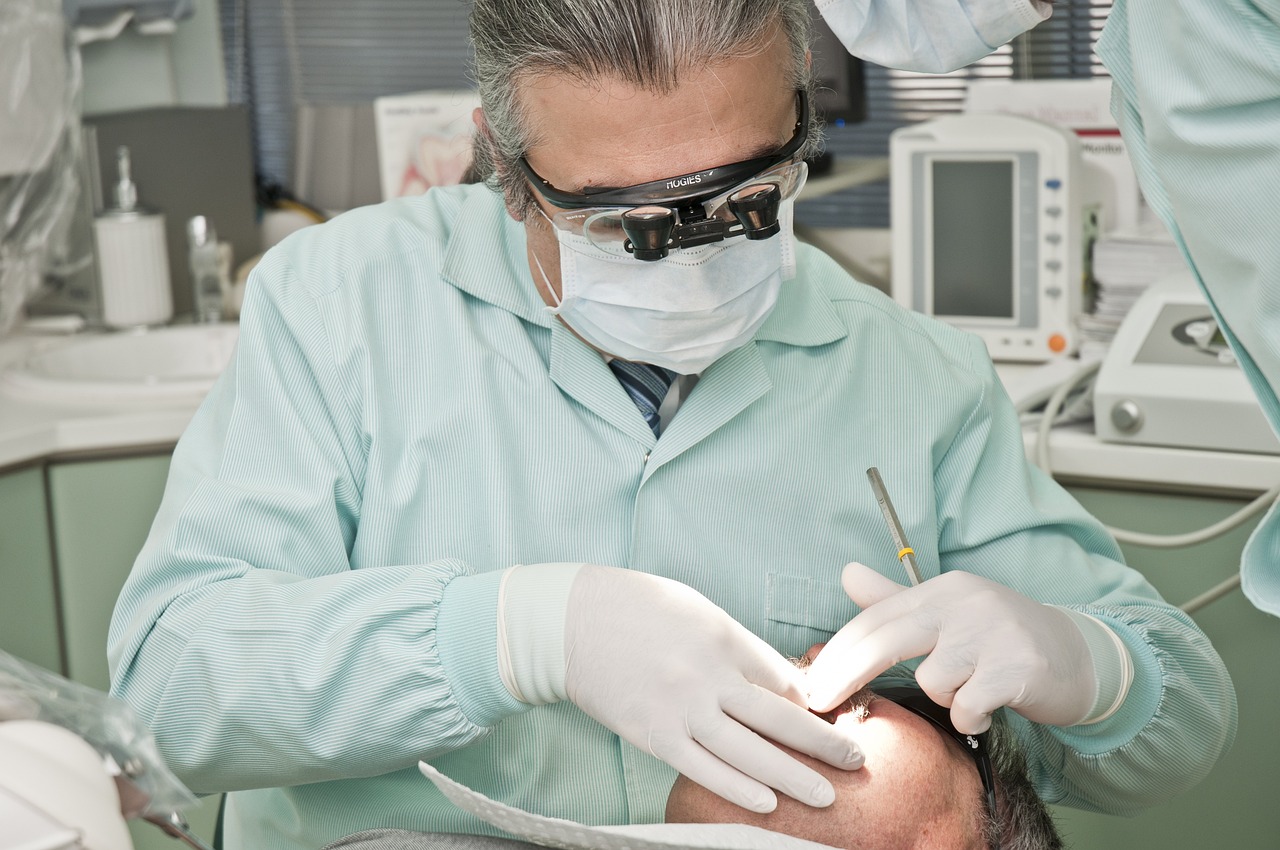
The demand for plastic surgery has been on the rise in Pittsburgh, reflecting a larger trend of embracing beauty transformations. With each passing year, more individuals are seeking cosmetic procedures to enhance their appearance and boost their self-confidence. This surge in popularity is not limited to any specific demographic, as people from various age groups and backgrounds are now turning to plastic surgery to achieve their desired aesthetics.
One of the key factors driving this increased demand is the evolving beauty standards of society. Over time, the concept of beauty has undergone a significant transformation, influenced by media portrayal, celebrity culture, and changing societal values. As a result, many individuals now feel greater pressure to conform to these evolving ideals, leading them to explore the possibilities offered by plastic surgery.
Plastic surgery has transitioned from being a taboo subject to being embraced and normalized in mainstream culture. In the past, discussions surrounding cosmetic procedures were often met with skepticism or judgment. However, society’s perception has shifted, and plastic surgery is now viewed as a legitimate means of self-improvement and self-expression.
Additionally, advancements in technology and medical techniques have played a crucial role in making plastic surgery more accessible and less invasive. Non-invasive procedures, such as Botox injections and dermal fillers, have gained popularity due to their affordability, convenience, and minimal downtime. People are increasingly opting for these procedures as a way to refresh and rejuvenate their appearance without undergoing extensive surgery.
As the demand for plastic surgery continues to surge, it is necessary to explore the different aspects driving this phenomenon. From breaking gender stereotypes to addressing ethical concerns, this blog post will delve into various topics related to the rise in demand for plastic surgery in Pittsburgh and beyond.
The Evolution of Beauty Standards: How Society’s Perception of Beauty Has Changed Over Time
Beauty standards have always been a prominent aspect of society, shaping the way individuals perceive themselves and others. Throughout history, these standards have undergone a significant transformation, influenced by factors such as culture, media, and societal ideals.
In ancient civilizations, beauty was often associated with physical attributes such as clear skin, symmetrical features, and a well-proportioned body. These standards varied across cultures, with different ideals of beauty prevailing in different regions of the world.
During the Renaissance, beauty was closely linked to notions of wealth and social status. Pale skin, plump figures, and elaborate hairstyles were highly sought-after qualities, as they signified a luxurious lifestyle and the leisure to focus on matters of aesthetics.
The rise of the fashion industry and mass media in the 20th century had a profound impact on beauty standards. Icons like Marilyn Monroe in the 1950s popularized voluptuous figures, while the 1960s brought the era of Twiggy and the demand for a more slender and androgynous look.
The late 20th century witnessed a shift towards a more inclusive and diverse perception of beauty. Models like Naomi Campbell and Tyra Banks challenged traditional norms by breaking racial barriers and embracing their unique features.
Today, beauty standards continue to evolve, embracing various body types, complexions, and ethnicities. The advent of social media has allowed for greater representation, with influencers and celebrities using their platforms to promote body positivity and self-acceptance.
However, it is important to note that the pressure to conform to beauty standards still remains prevalent in society. The rise of cosmetic surgery and non-invasive procedures reflects the ongoing desire to achieve the idealized version of oneself.
As society continues to evolve, so do our perceptions of beauty. Embracing diversity and celebrating individuality can lead to a more inclusive world, where everyone feels beautiful in their own unique way. Understanding the evolution of beauty standards helps us critically analyze societal expectations and ultimately redefine beauty on our own terms.
Plastic Surgery: A Cultural Shift Towards Acceptance and Popularity
Plastic surgery has undergone a significant transformation in recent years, evolving from a once-taboo topic to a widely accepted and popular practice. The cultural perception of plastic surgery has shifted, with more individuals embracing the idea of enhancing their appearance through surgical procedures.
According to Dr. Flores Valdivia, a board certified plastic surgeon, one key factor contributing to the increased acceptance of plastic surgery is the influence of popular culture and media. Celebrities and influencers often openly discuss their own cosmetic procedures, which demystifies the practice and makes it more accessible to the general public. As a result, people feel more comfortable considering plastic surgery as a viable option for their own aesthetic goals.
Advancements in medical technology and techniques have improved the safety and effectiveness of plastic surgery procedures. This has further boosted the acceptance and popularity of these procedures, as individuals have greater confidence in achieving their desired results with minimized risks and complications.
The desire for self-improvement and self-confidence plays a significant role in the cultural shift towards plastic surgery acceptance. In a society where physical appearance is highly valued, it is natural to seek ways to enhance one’s beauty and address perceived flaws. Plastic surgery offers individuals the opportunity to make changes that can positively impact their self-esteem and overall well-being.
Another factor contributing to the acceptance of plastic surgery is its growing affordability and accessibility. With more affordable options available, individuals from various socioeconomic backgrounds can now consider these procedures. This has helped to break down the barriers that previously limited plastic surgery to the wealthy or elite, making it accessible to a broader range of people.
The cultural shift towards acceptance of plastic surgery can also be attributed to a more open and progressive mindset. Society is becoming more accepting of personal choices and individual autonomy, recognizing that individuals have the right to make decisions about their own bodies. This shift in mindset has created an environment where plastic surgery is seen as a personal choice rather than a societal taboo.
Plastic surgery has experienced a cultural shift towards acceptance and popularity due to various factors such as media influence, advancements in technology, desire for self-improvement, affordability, and a more progressive mindset. As this trend continues, plastic surgery will likely continue to be embraced as a means of achieving one’s aesthetic goals and enhancing self-confidence.
Trendsetters and Influencers: Celebrities’ Role in Shaping the Demand for Plastic Surgery
Celebrities have long held an influential position in society, not only in terms of fashion and style but also in shaping beauty standards. In recent years, their impact on the demand for plastic surgery has been more evident than ever. With their impeccable looks and flawless appearances gracing the covers of magazines and dominating social media, celebrities have become trendsetters when it comes to cosmetic enhancements.
One way in which celebrities have influenced the rise in demand for plastic surgery is through their openness about their own procedures. By candidly sharing their experiences and results, they have demystified these treatments and made them more socially acceptable. This has empowered individuals to consider plastic surgery as a means to enhance their own appearance without hesitation.
Celebrities often set unrealistic beauty standards, leaving many people feeling self-conscious about their own looks. Consequently, individuals may turn to plastic surgery to achieve the desired aesthetic, aspiring to resemble their favorite stars. The desire to align with the perceived perfection promoted by celebrities has contributed significantly to the increase in cosmetic procedures.
Social media platforms have played a crucial role in magnifying the influence of celebrities on the demand for plastic surgery. With millions of followers, celebrities have a direct line of communication with their fans, creating a sense of intimacy and connection. As a result, fans feel more inclined to emulate their idols’ appearance, leading to a surge in the demand for cosmetic enhancements.
It is also worth noting that the rise of reality television shows and the constant exposure of celebrities in the media has made their lives more accessible to the public. People not only observe their favorite stars on the red carpet but also witness their transformations, from subtle alterations to more dramatic changes through plastic surgery. This exposure further normalizes these procedures, promoting their acceptance in society.
However, while celebrities have the means to afford high-end procedures, it is essential to highlight the importance of realistic expectations and responsible decision-making when it comes to plastic surgery. While celebrities may serve as inspiration, it is crucial for individuals to consult with qualified professionals and prioritize their own well-being before making any decisions regarding cosmetic enhancements.
From Taboo to Mainstream: Breaking the Stigma Surrounding Plastic Surgery
Plastic surgery, once considered a taboo subject, has gradually transformed into a mainstream phenomenon. In the past, people would often whisper about a friend or acquaintance who had gone under the knife, with judgments and assumptions about their motives. The stigma surrounding plastic surgery stemmed from a lack of understanding and misconceptions about the procedures.
However, in recent years, there has been a notable shift in attitudes towards plastic surgery. It is now more openly discussed and accepted in society, thanks to the efforts to demystify the procedures and educate the public. Celebrities and influencers have played a significant role in this cultural shift, sharing their own stories and experiences with plastic surgery.
One of the primary factors contributing to the diminishing stigma is the portrayal of plastic surgery in the media. Television shows, reality programs, and documentaries have shed light on the motivations, expectations, and outcomes of undergoing such procedures. This increased visibility has helped people understand that plastic surgery is not solely driven by vanity but also by personal satisfaction and self-confidence.
Advancements in medical technology and techniques have made plastic surgery safer and more accessible. With enhanced surgical procedures and reduced downtime, individuals are more willing to consider plastic surgery for various reasons, whether it be for cosmetic enhancements, reconstructive purposes, or addressing medical conditions.
The increasing acceptance of plastic surgery has also been influenced by a shift in societal beauty standards. In an era dominated by social media, there is immense pressure to look a certain way. This pressure can lead to insecurities and dissatisfaction with one’s appearance, which can be addressed through plastic surgery.
Plastic surgery is not only about conforming to societal beauty standards; it is also about empowering individuals to make choices that boost their self-esteem and overall well-being. Embracing plastic surgery as a means of enhancing one’s appearance is a personal decision that should be respected and supported.
While the journey from taboo to mainstream has been significant, it is important to continue fostering a culture of acceptance and understanding. By breaking down stereotypes and promoting informed dialogue, society can move forward in recognizing the positive impact that plastic surgery can have on a person’s life.
The Rise of Non-Invasive Procedures: Affordable and Convenient Beauty Enhancements
With advancements in technology and a growing emphasis on beauty and self-care, non-invasive procedures have become increasingly popular in recent years. These procedures offer individuals the opportunity to enhance their appearance without going under the knife, providing an affordable and convenient alternative to traditional plastic surgery.
One of the key factors driving the rise of non-invasive procedures is the reduced cost compared to invasive surgeries. Many individuals may be hesitant to undergo costly surgical procedures or may not have the financial means to do so. Non-invasive options such as Botox injections, dermal fillers, or laser treatments offer more budget-friendly options, making these treatments accessible to a wider range of individuals.
In addition to cost, the convenience of non-invasive procedures has played a significant role in their popularity. Unlike surgical procedures that require lengthy downtime and recovery, non-invasive treatments often have minimal recovery time, allowing individuals to resume their daily activities shortly after the procedure. This convenience appeals to busy individuals who may not have the luxury of taking extended time off work or have other commitments that restrict their recovery period.
Non-invasive procedures also provide a level of customization that can be appealing to many. These treatments are often tailored to the individual needs and desires of the patient, allowing for targeted enhancements and natural-looking results. Whether it is reducing fine lines and wrinkles, sculpting the body, or improving skin quality, non-invasive procedures offer a range of options to address specific concerns.
The rise of social media and the influence of beauty trends have also contributed to the popularity of non-invasive procedures. Celebrities and influencers often promote these treatments, showcasing their positive experiences and results to their followers. This exposure increases awareness and normalizes the idea of enhancing one’s appearance through non-invasive methods.
The rise of non-invasive procedures can be attributed to their affordability, convenience, customization, and the endorsement of influential figures. As technology continues to advance, it is likely that these procedures will continue to evolve, meeting the growing demand for accessible and convenient beauty enhancements.
Addressing the Age Factor: Plastic Surgery for a Youthful Appearance
As we age, many of us desire to maintain a youthful appearance and reverse the signs of aging. This has led to a significant rise in the demand for plastic surgery procedures catered towards addressing the age factor. With advancements in technology and surgical techniques, individuals now have a wide range of options to choose from in order to enhance their youthfulness.
One popular procedure for addressing the age factor is facelift surgery. This surgical technique is designed to tighten sagging skin, remove excess fat, and redefine facial contours, resulting in a more youthful and rejuvenated look. Facelifts are often complemented by additional procedures, such as eyelid surgery or brow lifts, to achieve more comprehensive facial rejuvenation.
Another common procedure in the quest for a more youthful appearance is dermal fillers. These minimally invasive injections are used to restore volume to the face, filling in wrinkles and lines. Dermal fillers can effectively smooth out creases, plump up lips, and enhance facial features, providing a more youthful and vibrant look.
Besides surgical procedures and fillers, many individuals also turn to non-surgical treatments like Botox. Botox injections relax the muscles responsible for causing facial wrinkles, reducing the appearance of lines and preventing new ones from forming. This treatment is a popular choice for those seeking a quick and relatively affordable way to combat the signs of aging.
It’s worth noting that plastic surgery for addressing the age factor is not exclusively sought out by older individuals. There is an increasing trend of younger adults seeking preventive procedures to maintain their youthful appearance. This demographic often opts for treatments like laser resurfacing, chemical peels, or microdermabrasion to ward off early signs of aging and preserve their youthful glow.
With advancements in medical technology and increasing awareness, plastic surgery for a youthful appearance has become more accessible and widely accepted. However, it is important to approach these procedures with realistic expectations and consult with a qualified plastic surgeon who can provide guidance and tailor the treatment plan to individual needs. Plastic surgery can truly be a powerful tool in addressing the age factor and helping individuals feel more confident and comfortable in their own skin.
Male Plastic Surgery: Breaking Gender Stereotypes and Celebrating Self-Confidence
Over the past decade, the demand for plastic surgery among men has experienced a significant surge, challenging traditional notions of beauty and masculinity. More and more men are now seeking aesthetic enhancements to improve their appearance, boost their self-esteem, and address specific concerns. This shift in attitude not only reflects a changing societal perception of beauty but also marks a progressive movement towards dismantling the gender stereotypes that have long surrounded the field of plastic surgery.
Previously, plastic surgery was predominantly associated with women, with men often feeling hesitant or stigmatized for considering such procedures. However, as societal attitudes become more open-minded and inclusive, men are now feeling empowered to pursue plastic surgery without fear of judgment or backlash. This newfound acceptance is breaking down gender norms, allowing individuals to prioritize their own well-being, regardless of their gender identity.
The range of plastic surgery options available for men is also expanding, catering to their specific needs and desires. Procedures such as rhinoplasty, liposuction, and gynecomastia surgery (male breast reduction) have gained popularity among men looking to refine their features and achieve a more sculpted physique. These procedures not only help men enhance their appearance but also contribute to a greater sense of self-confidence and improved mental well-being.
Celebrities and influencers are also playing a pivotal role in shaping the societal acceptance and normalization of male plastic surgery. High-profile male figures openly discussing their experiences with cosmetic procedures have helped reduce the stigma surrounding the topic and encourage others to consider their own aesthetic goals. By promoting self-care and self-improvement without judgment, these influential individuals are reshaping society’s perception of masculinity and inspiring others to take control of their own image.
It is crucial to acknowledge that male plastic surgery is not solely driven by societal pressures, but rather by individual personal choices. Just as women have the right to make decisions regarding their bodies and appearance, men too have the autonomy to seek out enhancements that make them feel comfortable and confident in their own skin. Plastic surgery is not about conforming to rigid beauty standards; instead, it is about empowering individuals to embrace their uniqueness and achieve their personal aesthetic goals.
Plastic Surgeons as Artists: The Intersection of Aesthetics and Medical Expertise
Plastic surgeons possess a unique blend of skills that allows them to be both medical professionals and artists. Their work goes beyond mere medical procedures, as they strive to enhance the beauty and aesthetics of their patients. Plastic surgery requires a keen eye for detail and a deep understanding of the human form, making it an art form in itself.
Like painters or sculptors, plastic surgeons work with their patients’ bodies as their canvas. They utilize their expertise and artistic vision to create harmonious and balanced results. By employing various techniques and procedures, they can reshape and refine different areas of the body to achieve the desired aesthetic goals.
One of the key aspects that sets plastic surgeons apart as artists is their ability to individualize each procedure according to the unique features and goals of their patients. They carefully assess the patient’s facial or body structure, considering factors such as bone structure, skin tone, and proportions. This personalized approach allows them to create results that are not only aesthetically pleasing but also natural-looking.
Just as artists continually refine their techniques, plastic surgeons continuously advance their skills and knowledge in the field. They stay up-to-date with the latest advancements in surgical techniques, technologies, and innovations. This dedication to ongoing education and professional growth enables them to provide the best possible outcomes for their patients.
Another way in which plastic surgeons exemplify their artistry is through their ability to understand and enhance the unique beauty of each individual. They strive to preserve and enhance their patients’ natural features, while also addressing any concerns or insecurities they may have. Whether it involves a facelift to reduce signs of aging or a breast augmentation to enhance body proportions, plastic surgeons work diligently to ensure a result that not only meets the patient’s expectations but also celebrates their unique beauty.
Plastic surgery is not limited to traditional procedures. Today, many plastic surgeons are embracing innovative techniques and technologies, such as injectables and laser treatments, to provide non-invasive or minimally invasive options for patients seeking rejuvenation or enhancement. This versatility allows them to cater to a wide range of aesthetic needs and preferences.
Plastic surgeons are artists in their own right, combining medical expertise with an artistic vision to create beautiful and natural-looking results. Their unique skills and dedication to individualized care allow them to transform and enhance their patients’ appearances, ultimately boosting their confidence and improving their quality of life.
Balancing Ethical Concerns: The Responsibility of Plastic Surgeons in Patient Care
Plastic surgeons play a vital role in the field of medical aesthetics, where they strive to enhance their patients’ physical appearance and boost their self-confidence. However, with the power to transform lives through surgical interventions comes a great ethical responsibility. Plastic surgeons must navigate a complex landscape of patient care, considering both the physical and psychological well-being of their patients.
One of the primary ethical concerns in plastic surgery is the issue of informed consent. It is crucial for surgeons to ensure that patients fully understand the risks, benefits, and possible outcomes of any procedure they are considering. This requires open and honest communication, allowing patients to make well-informed decisions based on realistic expectations.
Another ethical consideration is the principle of autonomy. Plastic surgeons must respect their patients’ autonomy, which means empowering them to have a say in their own treatment plans. This involves engaging in shared decision-making, where the surgeon provides expert advice while taking into account the patients’ values, desires, and preferences.
The principle of beneficence also plays a significant role in the ethical responsibilities of plastic surgeons. They must prioritize the well-being of their patients, striving to provide the highest standard of care while maximizing benefits and minimizing harm. This requires continuous professional development to stay updated with the latest techniques and advancements, ensuring optimal outcomes for patients.
Plastic surgeons must also navigate the sensitive issue of body image dissatisfaction. While patients seek cosmetic procedures to improve their appearance, surgeons must conduct a thorough evaluation to distinguish between healthy motivations and unrealistic aspirations driven by societal pressures or psychological issues. They have a responsibility to recommend alternative approaches or address underlying concerns before proceeding with surgery.
In addition to individual patient care, plastic surgeons also have a broader societal responsibility. They should advocate for responsible practices within their profession, promoting transparency, safety, and ethical standards. By actively engaging in discussions regarding advertising regulations and promoting evidence-based treatments, they contribute to ensuring the well-being of patients across the industry.
Plastic surgeons shoulder the immense ethical responsibility of providing safe and informed patient care while balancing the art and science of aesthetic interventions. By prioritizing ethical principles such as informed consent, autonomy, beneficence, and addressing body image concerns, they strive to build a foundation of trust and ensure positive outcomes for their patients.
Enhancing Natural Beauty: Trends in Plastic Surgery Tailored to Individual Features
Plastic surgery has experienced a significant shift in recent years, moving away from a focus on dramatic alterations and towards enhancing the natural beauty of individuals. This trend reflects a growing desire among patients to maintain their unique features while addressing specific concerns. Rather than striving for an unrealistic ideal, modern plastic surgery aims to harmonize and refine what is already present, catering to the individual’s desires and preferences.
One noteworthy trend in plastic surgery is the rise of procedures tailored to specific facial features. Surgeons are now placing greater emphasis on enhancing the natural contours and proportions of the face. For instance, rhinoplasty procedures are primarily focused on achieving balance and symmetry, rather than pursuing a cookie-cutter appearance. Likewise, advancements in technology have allowed surgeons to customize chin and cheek implants to complement the structural characteristics of the patient’s face.
Another emerging trend is body contouring procedures that prioritize natural-looking results. In the past, there was a tendency to pursue exaggerated curves and proportions. However, contemporary plastic surgery techniques aim to create a sculpted and toned physique that is in harmony with the patient’s existing body shape. Procedures like liposuction and Brazilian butt lifts are now performed with a focus on enhancing the individual’s natural curves rather than imposing a standardized body type.
One area where natural enhancement has gained considerable popularity is breast augmentation. While some patients still opt for larger breast sizes, there has been an increasing interest in achieving a more subtle and natural appearance. Surgeons now offer a variety of implant shapes and sizes to customize the results, enabling patients to enhance their breasts while maintaining proportions that align with their natural physique.
Advancements in technology have also influenced the trend of enhancing natural beauty through minimally invasive procedures. Non-surgical treatments like injectables and laser treatments offer patients the opportunity to rejuvenate their appearance with minimal downtime. By focusing on enhancing and rejuvenating specific facial features, these procedures can help individuals achieve a more refreshed and youthful look while still preserving their unique characteristics.
Modern plastic surgery trends are centered around enhancing natural beauty and tailoring procedures to the individual’s needs. Whether it’s achieving facial harmony, refining body proportions, or rejuvenating specific features, these trends reflect a shift towards a more personalized approach that celebrates each person’s unique qualities. Plastic surgeons today understand the importance of creating results that appear natural, allowing patients to enhance their features in a way that aligns with their own vision of beauty.
Conclusion
Plastic surgery has undeniably gained immense popularity over the years, with Pittsburgh embracing the beauty transformation trend. We have witnessed the evolution of beauty standards, from deeply rooted societal norms to a more diverse and inclusive perspective. By breaking the stigma surrounding plastic surgery, it has transitioned from taboo to mainstream.
Celebrities have played a significant role in shaping the demand for plastic surgery, inspiring individuals to strive for their ideal appearance. The rise of non-invasive procedures has made beauty enhancements more accessible and convenient for a broader audience, further fueling the demand.
Addressing the age factor, plastic surgery offers various treatments for maintaining a youthful appearance, instilling a sense of confidence and rejuvenation. Moreover, the notion of male plastic surgery has shattered gender stereotypes, encouraging men to embrace their desire for self-improvement.
Plastic surgeons are not only medical experts but also skilled artists. Their expertise lies in their ability to balance aesthetics with ethical considerations, always prioritizing patient care and well-being. Furthermore, the customization of plastic surgery procedures presents a growing trend, catering to individual features and enhancing natural beauty.
The rise in demand for plastic surgery in Pittsburgh signifies a cultural shift towards accepting and celebrating personal transformations. As people strive for confidence and self-expression, plastic surgery offers a multitude of possibilities for individuals to enhance their physical appearance and embrace their true selves.
However, it is essential to approach plastic surgery with careful consideration, ensuring thorough research, consultation, and selecting qualified, ethical practitioners. By making informed choices, individuals can undergo transformative journeys, empowering them to embrace their unique beauty and ultimately achieve their desired aesthetic outcomes.