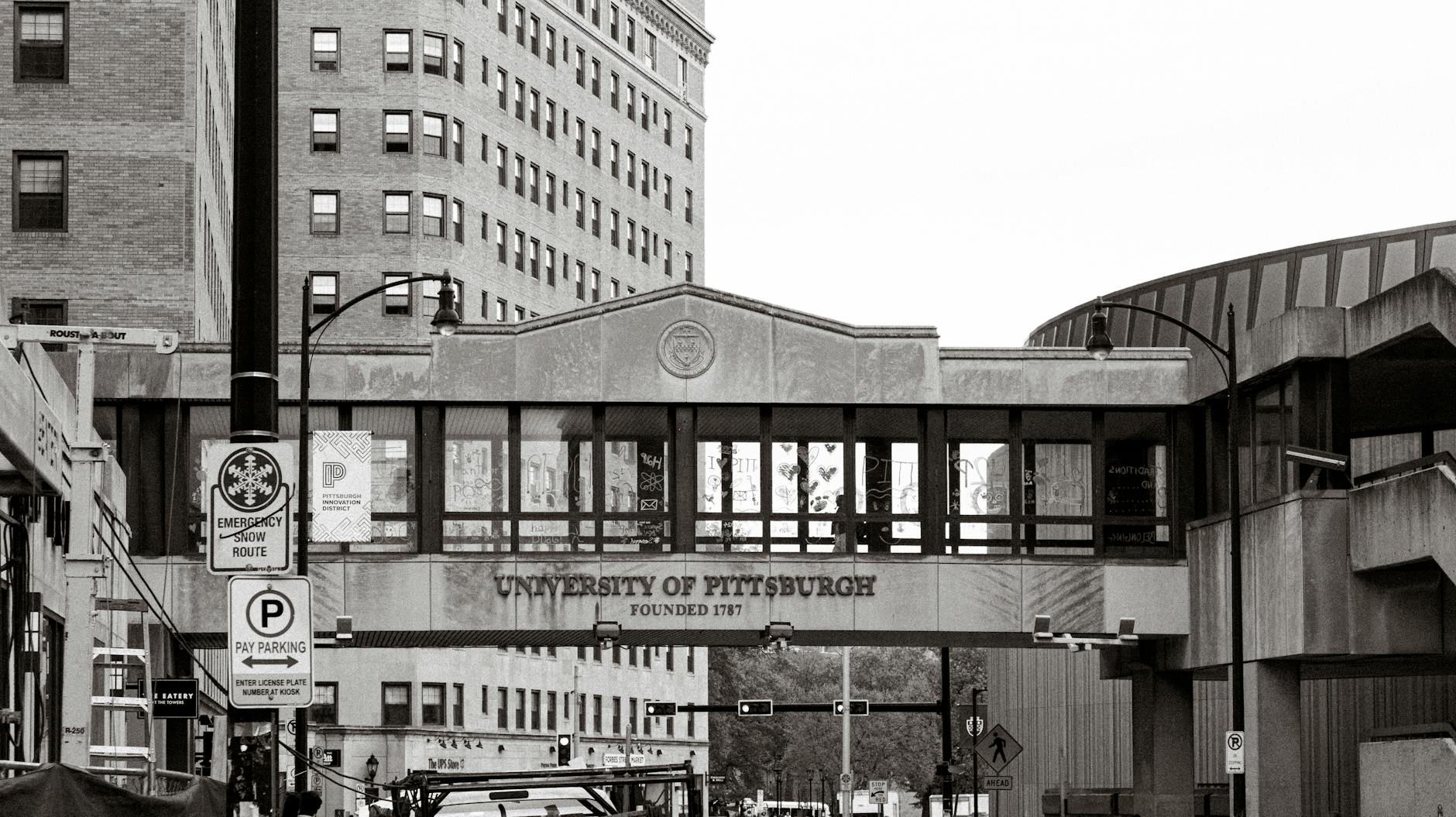
As Pittsburgh's first Black mayor concludes his term, discussions arise on the implications of race in local politics and his impact on the city.
By Solomon Gustavo, Pittsburgh Post-Gazette
In 2021, Ed Gainey made history as Pittsburgh's first Black mayor, an event greeted with enthusiasm from many in the community. His election marked a significant milestone, especially in a city where Black residents represent only 23% of the population. As Gainey steps away from office after one term, the city finds itself engaging in profound discussions about race, representation, and municipal governance.
A Historic Election
Gainey's ascension to the mayoralty came after a surprising victory over two-term incumbent Bill Peduto. Many hailed Gainey's win as a beacon of hope, with North Sider Colleena Mitchell expressing her sentiment that his election made her feel more welcome in a city where perceptions of race have historically been fraught. “You simply did not see Black people in the mayor’s office before,” remarked Sala Udin, a respected local political figure.
Despite the celebratory mood surrounding his election—which was dampened by the backdrop of George Floyd's tragic murder and its repercussions across the nation—his subsequent tenure did not proceed without challenges. By early 2026, Ed Gainey was ousted in the Democratic primary by Corey O’Connor, the son of a former mayor. His defeat prompted difficult questions about potential racial biases influencing voter decisions and what role Gainey's policies played in his electoral loss.
Evaluating the Impact of Race
The discourse surrounding Gainey’s election and subsequent defeat beckons an exploration of how race interplays with local politics. While Gainey himself has been reluctant to attribute his ousting solely to racism, he acknowledges that it played a role in the scrutiny he faced while in office. “Being the first Black anything comes with challenges,” Gainey noted, encapsulating the dual struggle of fulfilling expectations and confronting biases.
Political analysts and voters alike offer differing views on the significance of Gainey’s race in his political journey. Some observers, like John Hoi, believe that many voters weren’t comfortable with the prospect of a Black mayor. In contrast, supporters, including Udin and Mitchell, argue that Gainey brought tangible improvements to the city during his time in office.
“Pittsburgh is a better place,” Mitchell asserted, highlighting community achievements under Gainey’s administration. Among these, Gainey celebrated initiatives such as the development of affordable housing and significant efforts to revitalize downtown, securing $600 million in funding aimed at improving community well-being.
Political Dynamics and Challenges
Though Gainey’s administration accomplished noteworthy projects, criticisms of his leadership surfaced throughout his term. Observers like Rick Swartz expressed that Gainey’s visibility and communicative approach significantly diminished in his latter years, leading to perceptions of ineffectiveness among constituents. “When you’re present, you are a person people can engage with,” Swartz noted. A disconnect developed, particularly regarding essential city services, eventually contributing to Gainey’s loss in the primary.
Furthermore, historical analysis contextualizes Gainey’s experience within broader trends of minority representation in political office. Despite progress—14 of the 50 largest cities in the U.S. were led by Black mayors in 2022—Black politicians often face heightened expectations and scrutiny. Van Johnson, President of the African American Mayors Association, draws attention to the prevalent "intersection of white fear and Black expectation," illustrating the unique hurdles that minority politicians must navigate.
Reflections on a Worthy Legacy
In the wake of his departure, Gainey reflects on the mark he made within the city and the barriers he confronted. He has taken on a position on the Pennsylvania Gaming Control Board, indicating his continuing engagement in public service. Gainey’s legacy, as he articulates, aims to reshape perspectives on leadership and representation in Pittsburgh.
“I changed the way a lot of people view politicians of color,” Gainey stated. As his term concludes, he acknowledges that while progress is ongoing, the impact of his administration on altering community perceptions cannot be understated.
Conclusion
Ed Gainey’s tenure as Pittsburgh’s first Black mayor remains a contentious yet transformative chapter in the city’s history. As Pittsburgh moves forward, discussions on race and leadership continue to shape its political landscape, emphasizing the importance of diversity in governance and the complexities associated with it. His story serves as a pivotal reminder that progress is a continuous journey marred by both triumphs and challenges—an enduring narrative for both the city and its residents.

